

Digital marketing is evolving faster than ever, and 2025 is shaping up to be a bold, transformative, and innovative year of growth & opportunities.
With new technologies, changing consumer behaviors, and tighter regulations, marketers must stay ahead of the curve to remain competitive. The digital marketing shifts is not just about adopting new tools—it’s about rethinking how brands connect, engage, and build trust with their audiences.
Whether you’re a seasoned expert or just starting out, understanding the latest trends can help you craft smarter strategies and deliver better results.
Here are the top digital marketing trends to watch in 2025—and how you can leverage them to grow your brand.
- AI-Powered Everything
Artificial Intelligence (AI) is no longer a buzzword—it’s the backbone of modern marketing. In 2025, AI will be deeply embedded in every aspect of digital marketing, from content creation to customer service.
What’s Changing:
AI-generated content is becoming more sophisticated, helping marketers produce blogs, emails, and social posts faster.
Predictive analytics powered by AI can forecast customer behavior and personalize campaigns with precision.
Chatbots and virtual assistants are now capable of handling complex queries, improving customer experience 24/7.
How to Adapt:
Use AI tools to automate repetitive tasks and free up time for strategy.
Invest in platforms that offer AI-driven insights for better decision-making.
Train your team to work alongside AI, not against it.
2.Voice Search Optimization
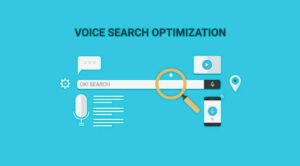
With smart speakers and voice assistants becoming household staples, voice search is reshaping digital marketing and SEO strategies. This digital marketing shifts reflects a broader move toward more intuitive, voice-driven interactions. By 2025, it’s estimated that over 50% of all searches will be voice-based.
What’s Changing:
People use natural language when speaking, which means digital marketers must prioritize long-tail keywords and conversational phrases. Local businesses benefit most, as voice searches often include “near me” queries—making local SEO a critical component of any digital marketing plan.
How to Adapt:
- Optimize your content for featured snippets and FAQ-style answers.
- Focus on mobile-friendly design and fast-loading pages.
- Include location-based keywords to capture local traffic.
3. Zero-Click Searches & SERP Takeover
Google is evolving into an answer engine—delivering information directly on the search results page without requiring a click. These “zero-click searches” are becoming the norm, reshaping how users interact with content.
What’s Changing:
- SERPs are now dominated by featured snippets, knowledge panels, and People Also Ask boxes.
- Organic traffic is shrinking unless your content is laser-focused and strategically optimized.
How to Adapt:
- Craft content that answers specific questions with clarity and precision.
- Implement schema markup to enhance search engine comprehension.
- Shift your strategy toward brand visibility and authority, not just chasing clicks.
-
Hyper-Personalization:
The New Standard
Forget one-size-fits-all strategies—2025 is redefining digital marketing through deep customer insight. This digital marketing shifts reflects a move toward hyper-personalized experiences, where today’s consumers expect brands to anticipate their needs and deliver interactions that feel uniquely theirs.
What’s Changing: Personalization in digital marketing now means more than just using someone’s name. It’s about:
- Predictive targeting based on real-time behavior
- Dynamic, context-aware content
- Tailored product recommendations that feel intuitive
- Predictive targeting based on real-time behavior
- Dynamic, context-aware content
- Tailored product recommendations that feel intuitive
But with powerful personalization comes responsibility. Regulations like the GDPR and India’s DPDP Act demand that brands handle data ethically and transparently.
How to Adapt:
- Tap into first-party data to build rich, accurate customer profiles
- Segment audiences by behavioral patterns, not just age or location
- Be upfront about how data is used, and always offer clear opt-in choices
Hyper-personalization isn’t just a trend—it’s the new benchmark in digital marketing. Brands that get it right will build trust, loyalty, and lasting relevance.
5.Short-Form Video Dominance
TikTok changed the game, and now every platform—from Instagram Reels to YouTube Shorts—is prioritizing short-form video. In 2025, this format will continue to dominate user engagement and reshape digital marketing strategies across industries.
What’s Changing:
Attention spans are shorter, and users prefer quick, digestible content.
Authenticity matters more than polish—raw, relatable videos perform better.
How to Adapt:
Create short videos that educate, entertain, or inspire.
Use trending audio and hashtags to boost visibility.
Repurpose long-form content into bite-sized clips.
6.Sustainability & Purpose-Driven Marketing
Consumers are increasingly choosing brands that align with their values. In 2025, sustainability and social responsibility will be central to marketing strategies.
What’s Changing:
Brands are expected to walk the talk—greenwashing won’t cut it.
Purpose-driven campaigns resonate more deeply and build loyalty.
How to Adapt:
Highlight your brand’s sustainability efforts and ethical practices.
Support causes that align with your audience’s values.
Be authentic—transparency builds trust.
7.Social Commerce Explosion
Social media platforms are becoming full-fledged shopping destinations. In 2025, social commerce will be a major revenue stream for brands.
What’s Changing:
Instagram, Facebook, Pinterest, and TikTok offer in-app shopping experiences.
Influencers play a key role in driving purchases.
How to Adapt:
Set up shoppable posts and integrate your product catalog.
Collaborate with micro-influencers for niche reach.
Use live shopping events to engage and convert viewers.
8.Privacy-First Marketing
With growing concerns over data privacy, marketers must rethink how they collect and use customer information.
What’s Changing:
Third-party cookies are being phased out.
Users demand more control over their data.
How to Adapt:
Shift to first-party data collection through email signups, surveys, and loyalty programs.
Use contextual targeting instead of behavioral tracking.
Stay updated on privacy regulations and ensure compliance.
9.Integrated Marketing Ecosystems
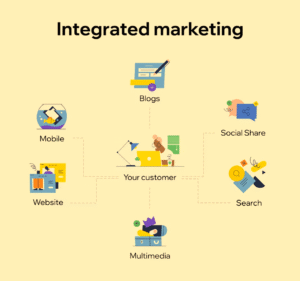
In 2025, successful brands won’t rely on isolated campaigns—they’ll build integrated ecosystems that connect every touchpoint.
What’s Changing:
Customers interact with brands across multiple channels—web, mobile, social, email, and more.
Consistency and continuity are key to building trust.
How to Adapt:
Use marketing automation platforms to unify your efforts.
Ensure your messaging is consistent across all channels.
Track customer journeys to identify gaps and optimize experiences.
10.Experimentation & Agile Marketing
The pace of change in digital marketing means agility is essential. Brands that test, learn, and adapt quickly will thrive.
What’s Changing:
Traditional annual marketing plans are being replaced by quarterly sprints.
A/B testing, real-time analytics, and feedback loops are standard practice.
How to Adapt:
Foster a culture of experimentation within your team.
Use data to guide decisions, not gut feelings.
Be willing to pivot when something isn’t working.
Final Thoughts
2025 is not just another year—it’s a turning point for digital marketing. The trends we’re seeing now reflect a deeper digital marketing shifts toward personalization, ethics, and innovation. As a digital marketing expert, your ability to stay informed and adapt will define your success.
Whether you’re optimizing for voice search, embracing AI, or building purpose-driven campaigns, you’re participating in a digital marketing shifts that demands curiosity and proactive thinking. The future belongs to marketers who are bold enough to experiment and empathetic enough to connect.